
Composite Deck Installation in Kennewick, WA
Composite in Columbia Basin Heat
Composite is chosen here for one reason above all others: it ends the refinishing cycle. In a climate with this much summer UV, that cycle is shorter and more tedious than most homeowners expect, and removing it permanently is worth a real premium to a lot of people. Composite also holds its color far longer than stained wood does under the same sun, which is the second reason it does well in this market. The honest counterweight is surface temperature. Composite runs hotter underfoot than wood in direct afternoon sun, and dark colors run hotter still. On a shaded or east-facing deck that is a non-issue. On an unshaded west-facing deck or around a pool, it is the single most important thing to get right, and the answer is usually a lighter color rather than a different material. Anyone who tells you composite does not get hot here has not stood on a dark board in July. The framing is different too, and it is where composite installs most often go wrong. Composite boards need closer joist spacing than wood, and they expand and contract more, so gapping at the ends and edges has to be built to the manufacturer's spec rather than to habit. A composite deck framed as though it were a wood one will show sag between joists and buckling at the ends within a couple of seasons.
We start with exposure. Which parts of the deck take full afternoon sun determines the color range we recommend, and we would rather talk you out of a color than have you avoid your own deck in July. Framing gets built to the board manufacturer's joist spacing and gapping requirements, which usually means more joists than a comparable wood deck. You get a written scope covering the board line, color, framing spec and fastener system. Where you are weighing composite against wood, we price both so the higher up-front cost sits against the maintenance it removes.
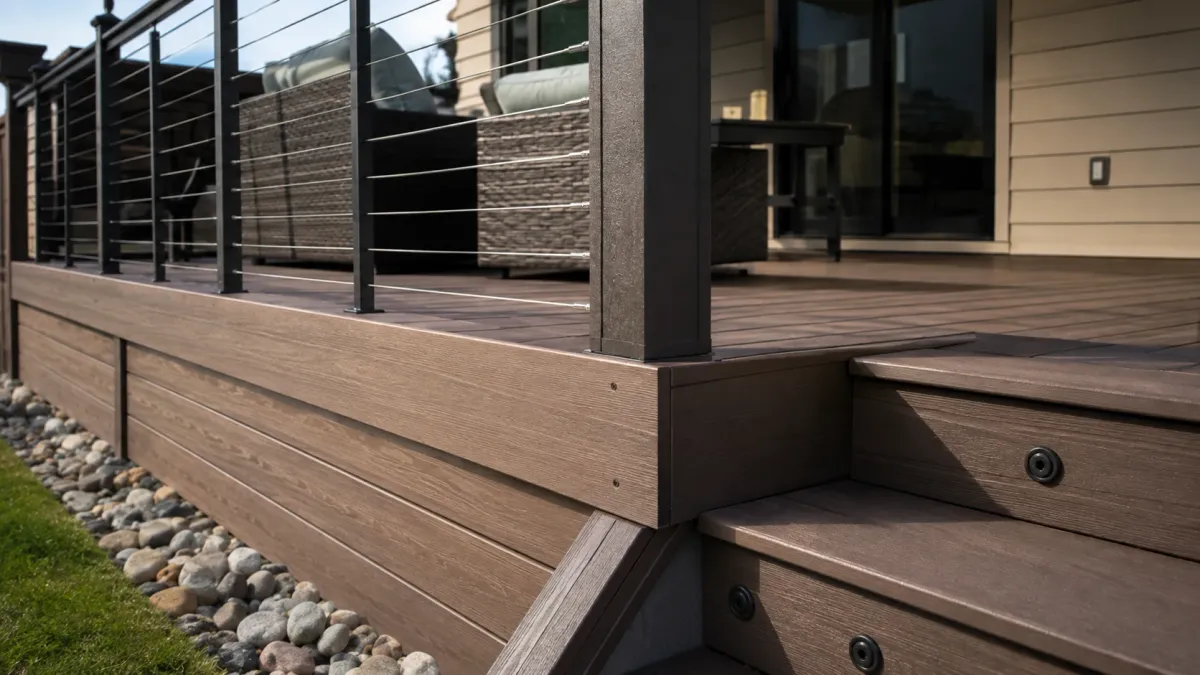
What's Included in our Deck Replacement service?
Board and Color Selection
Choosing a color that will not run uncomfortably hot on your deck's exposure.
Framing for Composite
Tighter joist spacing and expansion gapping that composite systems require.
Hidden Fastener Systems
Clip systems that leave a clean surface and allow the boards to move.
Proudly serving Kennewick, Richland, West Richland, Benton City, Burbank and Prosser for 10+ years.
Comprehensive Deck Contractor Services in Kennewick
Tailored to Your Needs
Ten deck services, split by scope rather than by marketing. A board replacement and a full tear-out sit on different permit paths and different timelines, so they get separate pages. Start with the one that matches the deck you actually have.
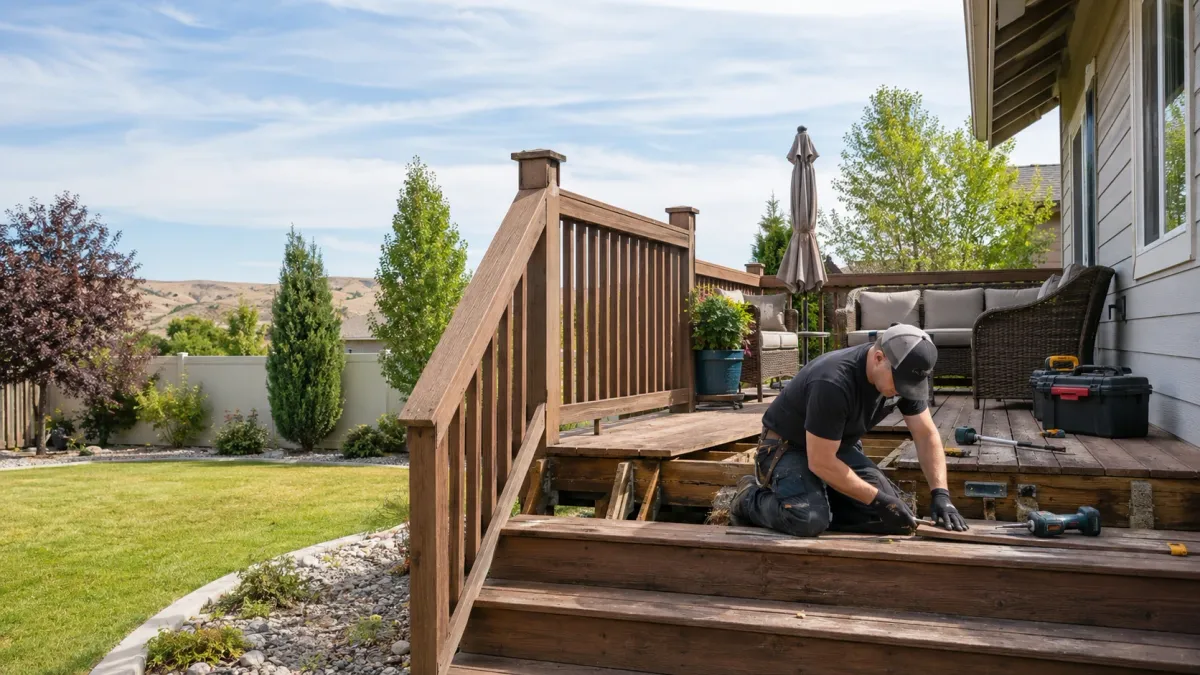
A repair inspection determines whether the frame is sound enough to justify new decking.
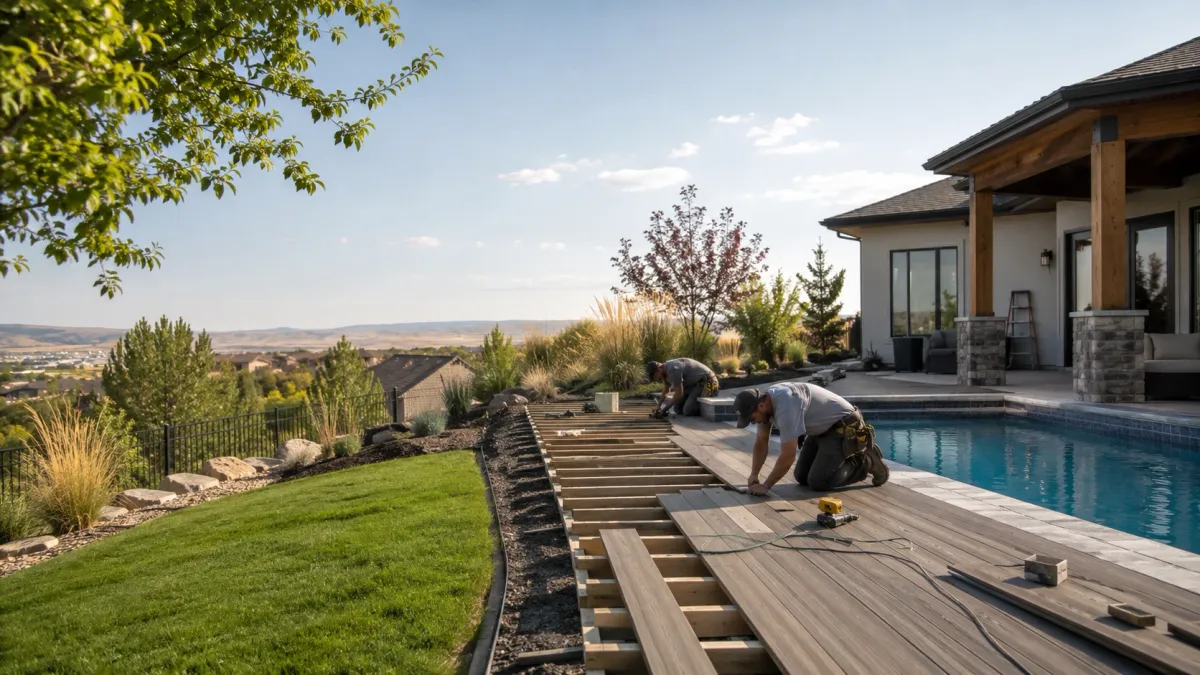
A pool surround gets specified for barefoot surface heat before anything else.
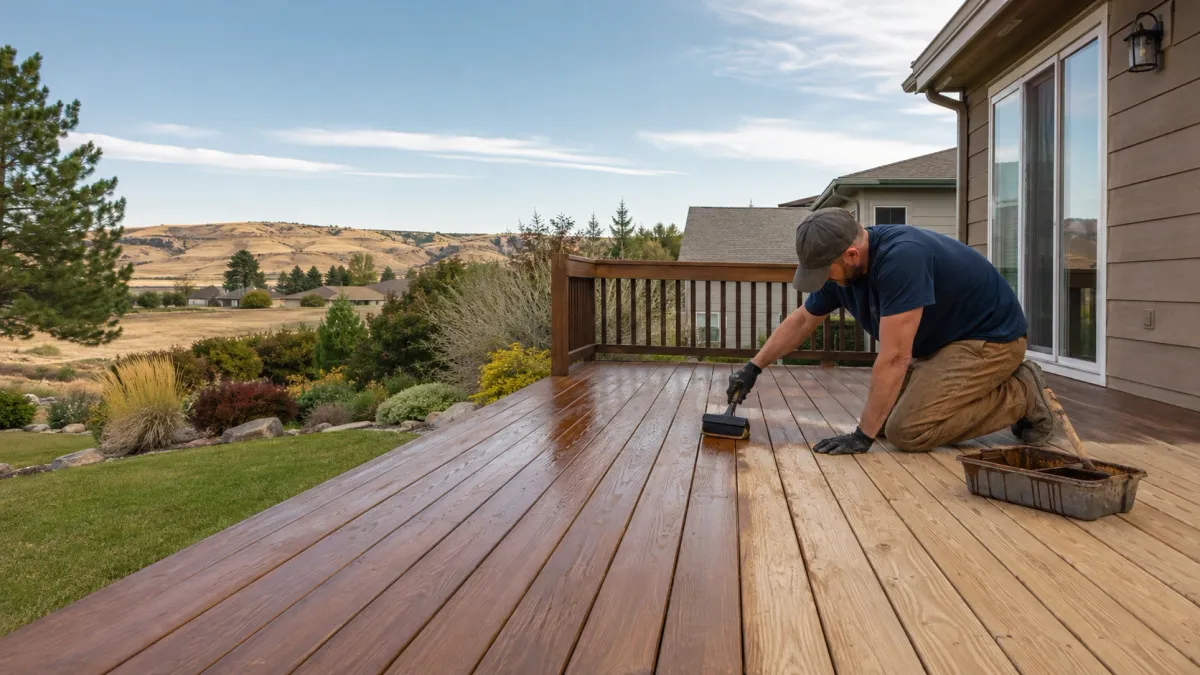
Refinishing determines how many more seasons a sound wood deck will give you.
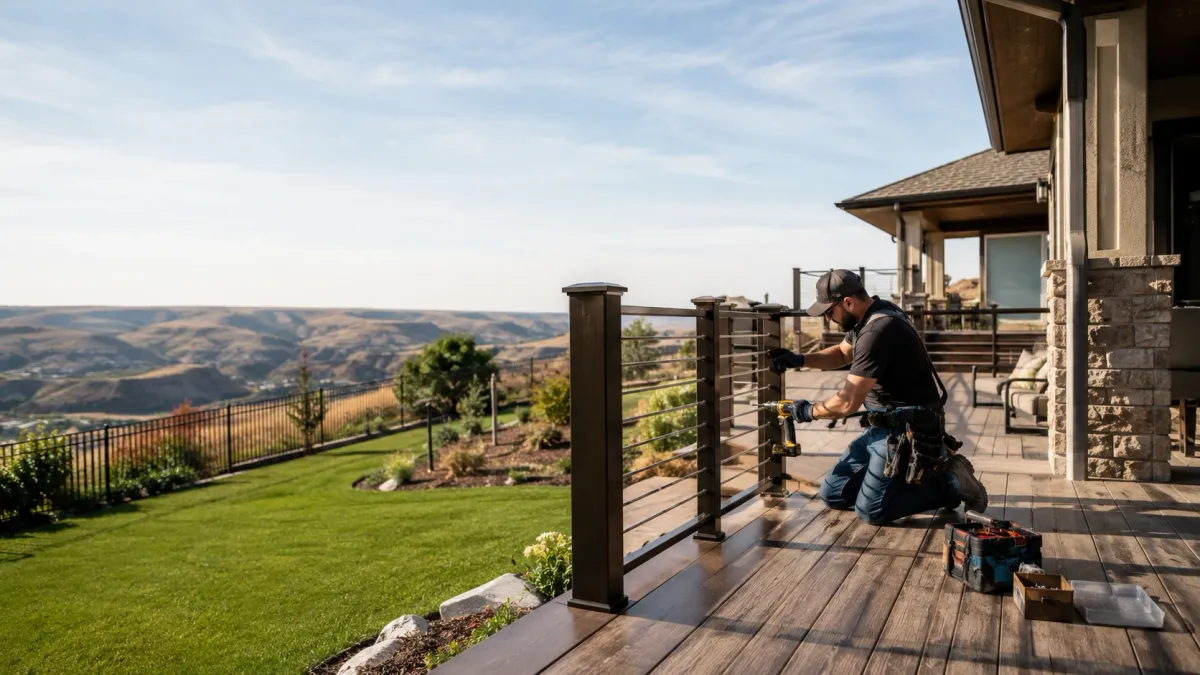
Railing height and baluster spacing are set by code, not by preference.
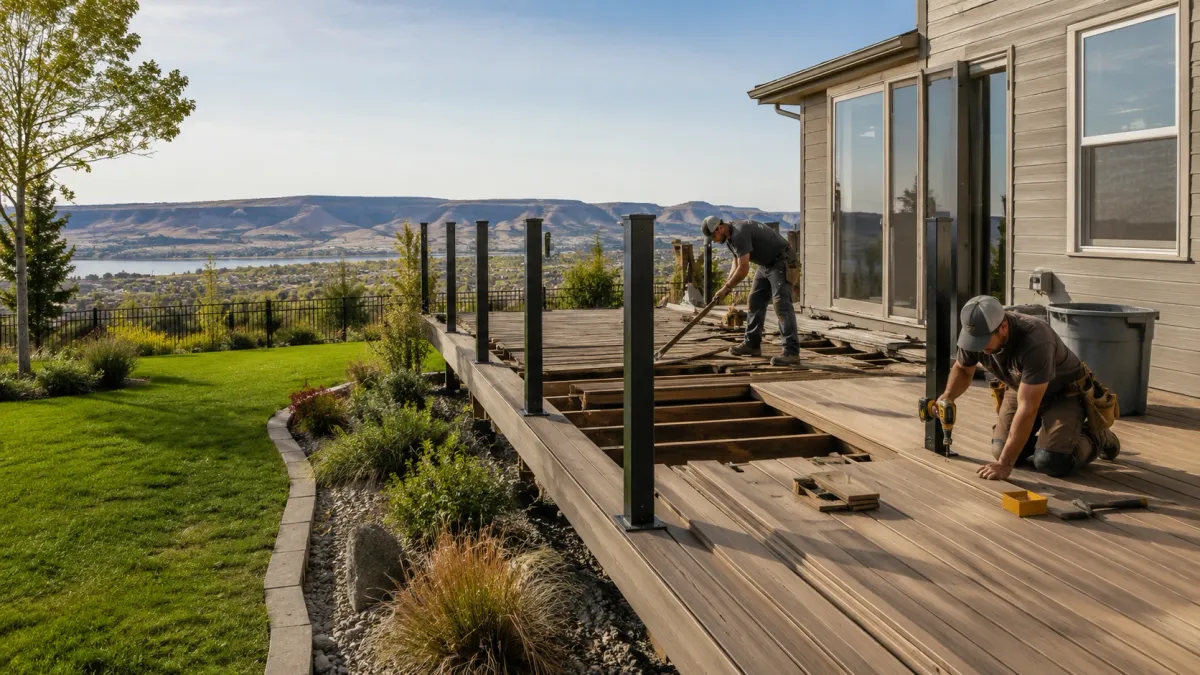
Replacement rebuilds the structure, not just the surface you can see.
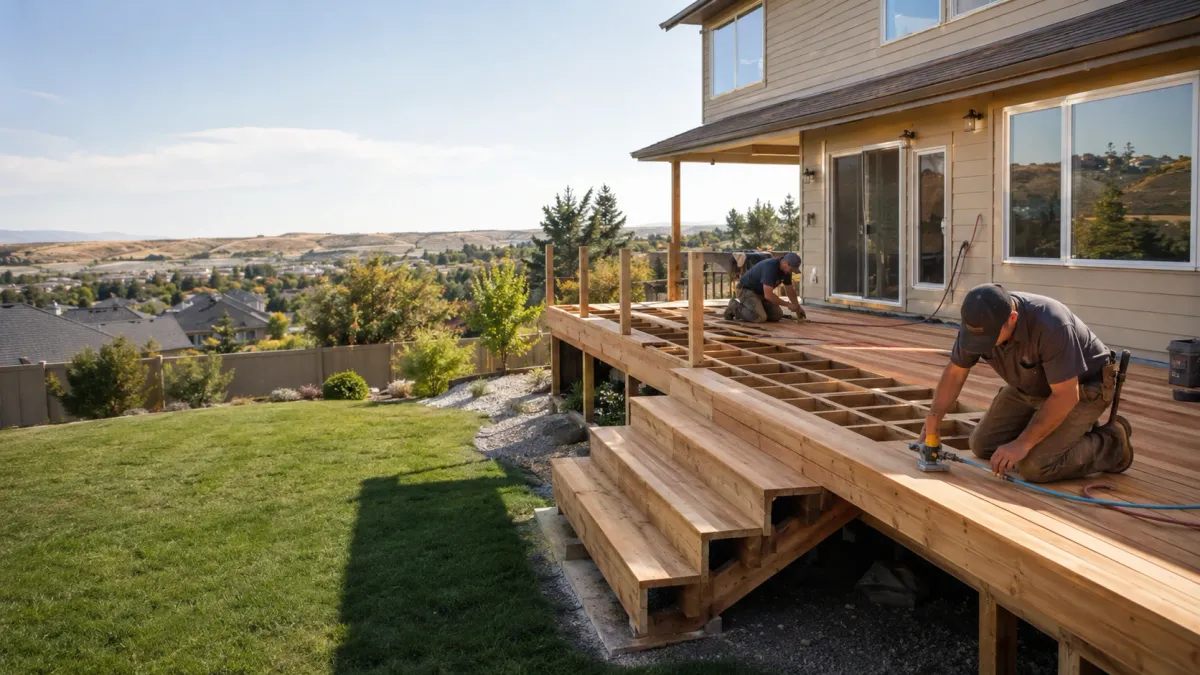
A wood deck trades a lower install cost for an ongoing finish cycle.
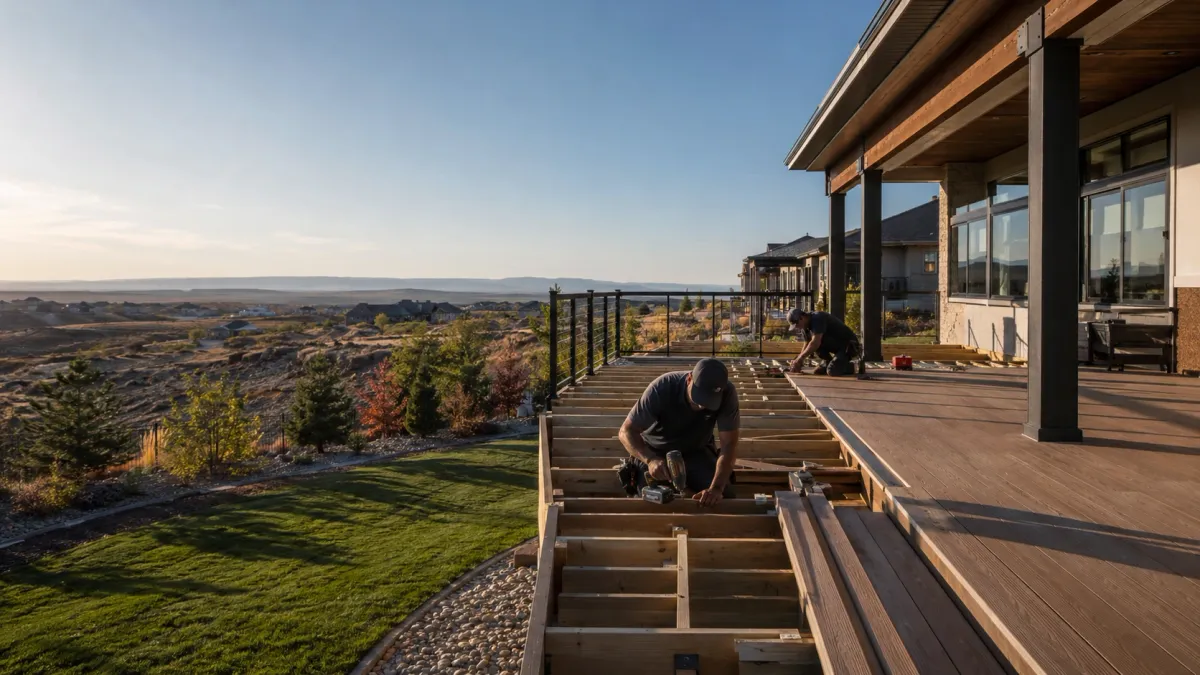
A new deck begins with the setback and the footing plan, not the layout.
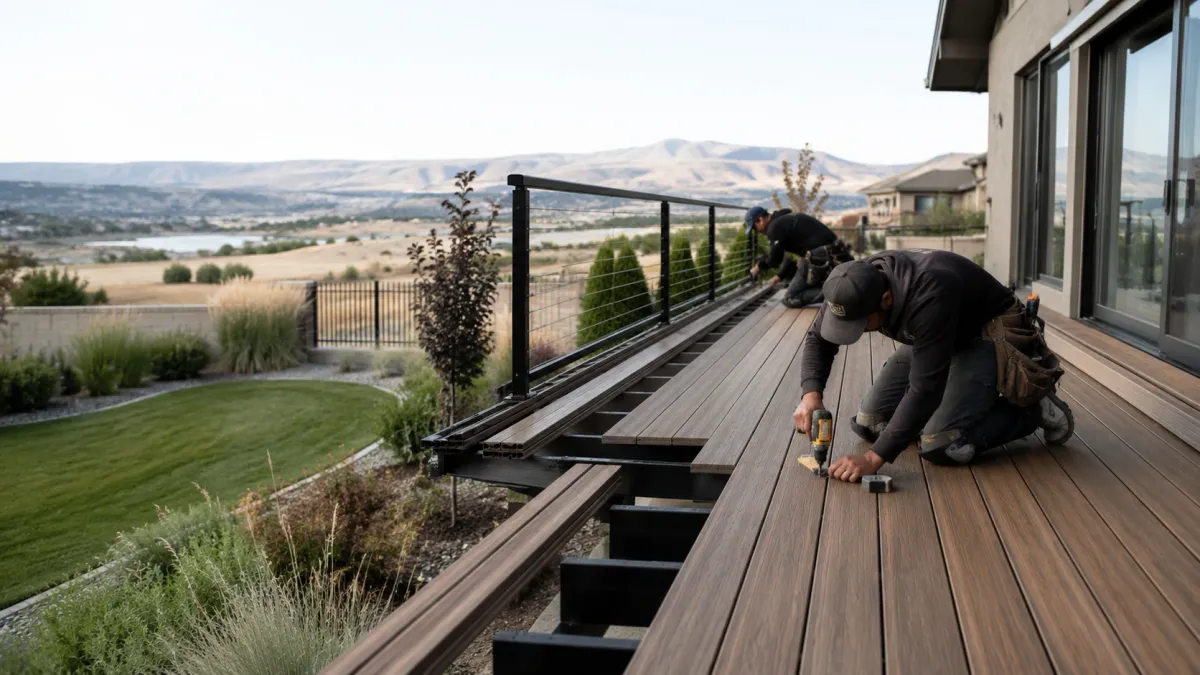
Composite removes the finish cycle and adds surface heat in direct sun.
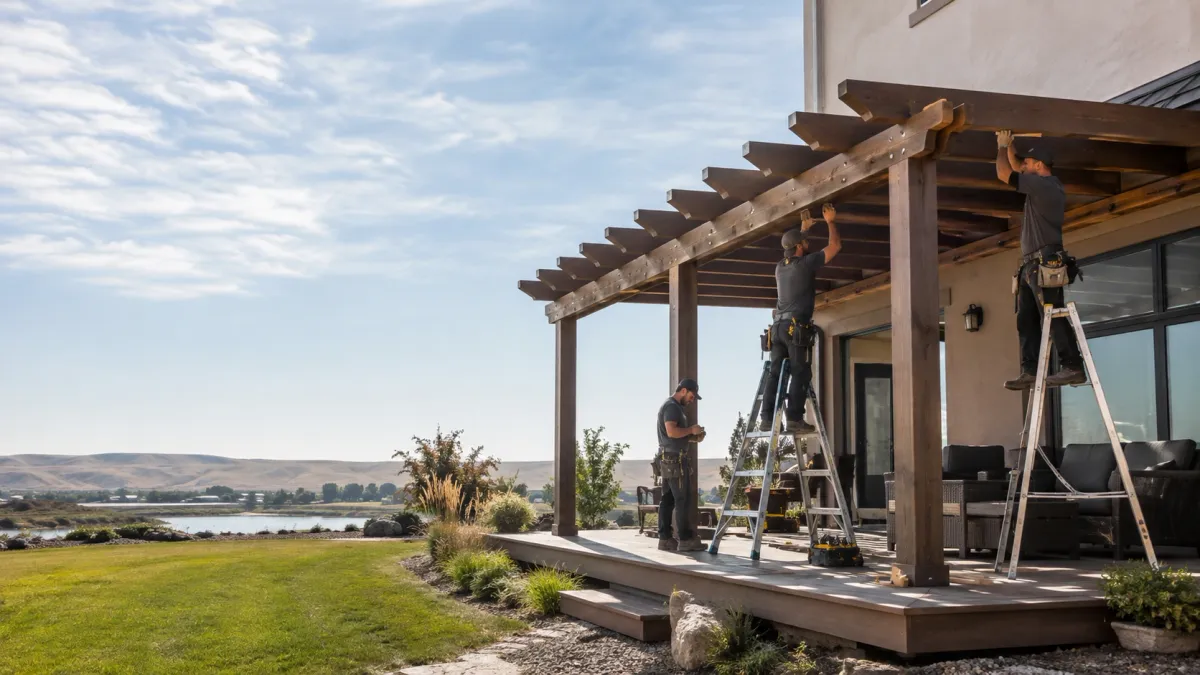
A pergola is sized and placed by where afternoon shade needs to fall.
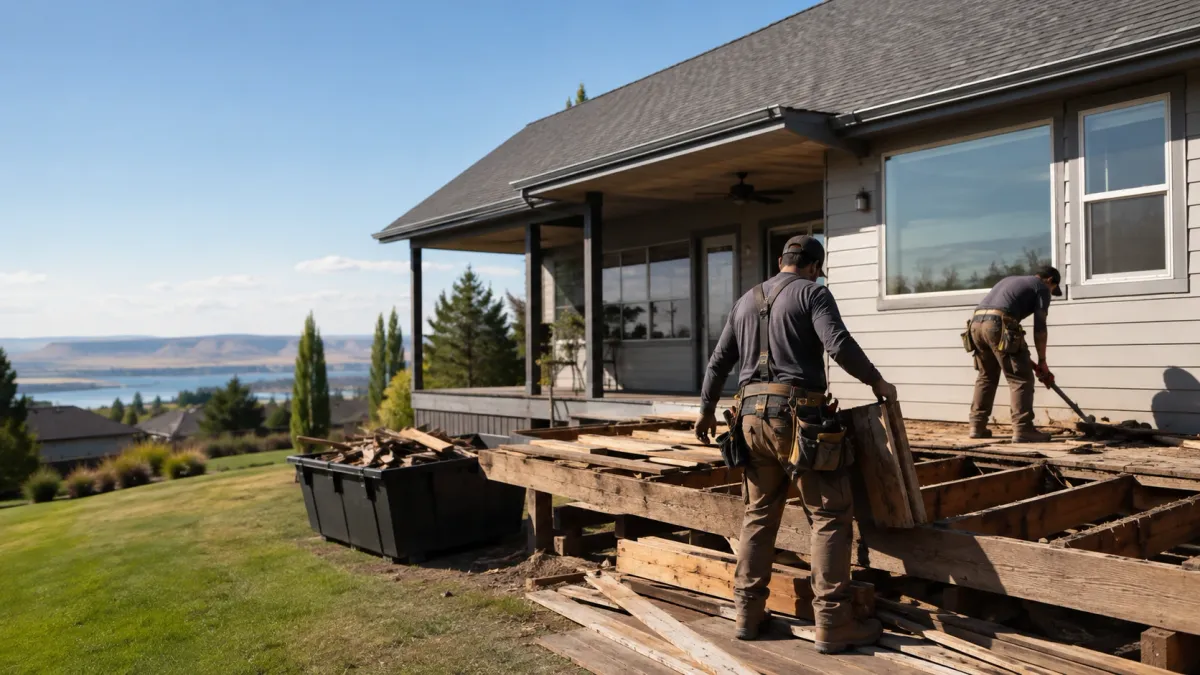
Demolition ends at a restored site, not at a pile of removed lumber.
Deck Work Across Kennewick and Benton County
Decks built for Kennewick heat, sun, and freeze-thaw ground.
Five towns near Kennewick get regular work from us, and none of them permit a deck the same way. The authority changes, the electric utility changes, and in one case there is no city hall at all. We sort that out before the drawing, not after the inspection.
Frequently Asked Questions
Deck Contractor can be complex, and we’re here to provide answers to common questions. Here are some frequently asked questions from our clients.
Frequently Asked Questions about deck contractor Kennewick WA
How much does a deck cost in Kennewick, WA?
Deck work in the Kennewick area generally runs somewhere between $15 and $45 per square foot, and the material is what moves you across that range. Pressure-treated framing and decking sits at the lower end, composite at the upper end. Height above grade, whether footings can go where the old ones were, and whether railing and stairs are included move it further. We price after the walkthrough, because the framing under a deck decides the cost more than the boards on top of it.
Do I need a permit to build a deck in Kennewick, WA?
Most residential decks in Kennewick need a building permit, and it goes through the Building Safety Division at City Hall on West 6th Avenue. Even where a permit is not triggered, the zoning rules under Kennewick Municipal Code Title 18 still apply, so setbacks and easements govern where the deck can sit. We confirm both before drawing anything. If your project is outside the city limits, a different desk handles it.
How long does it take to build a deck in Kennewick?
Plan review on a complete submittal typically takes about ten business days, and that runs before any building starts. After that the schedule follows the footing and framing inspection sequence, the size of the deck, and lead times on your decking and railing. A straightforward rebuild on existing footings and a new elevated deck with stairs are not comparable jobs. We give you a sequence at the walkthrough rather than a single number.
What is the best decking material for Kennewick's climate?
There is no single best board, but the local conditions narrow it fast. Summer surface temperatures run past 100 degrees with heavy sun, so UV stability matters more here than rot resistance does in wetter parts of the state. Composite holds color and needs no refinishing, but it gets hotter underfoot in full afternoon sun. Pressure-treated wood costs less up front and needs re-staining on a cycle, so shade, budget and how much maintenance you want are what actually decide it.
What is the difference between composite and wood decking?
Wood is a board that needs cleaning and re-staining on a regular cycle and will grey and check if it does not get it. Composite is a wood-and-polymer board that does not take stain, holds its color far longer, and costs more per square foot at install. In this climate the practical trade is maintenance against surface heat: composite saves you the refinishing cycle but runs warmer barefoot in July.
What areas around Kennewick do you serve?
We work Kennewick plus Richland, West Richland, Benton City, Burbank and Prosser. Those towns do not share a permit process, and Burbank is not even an incorporated city, so its permits route through Walla Walla County instead. Tell us the address when you call and we will tell you which desk your project answers to.
Frequently Asked Questions about Composite Deck Installation
What is the difference between composite and wood decking?
Wood needs cleaning and re-staining on a cycle and will grey without it. Composite does not take stain, holds color much longer, and costs more per square foot installed. Here the practical trade is maintenance against surface heat: composite ends the finish cycle but runs warmer barefoot in direct summer sun.
Does composite decking get too hot in the summer here?
It gets hotter than wood in direct afternoon sun, and dark colors noticeably more so. On shaded or east-facing decks it rarely matters. On unshaded west-facing decks and around pools it matters a lot, and the fix is choosing from the lighter end of the color range rather than avoiding composite entirely.
Can composite decking be installed over my existing frame?
Only if the frame meets the joist spacing composite requires, which is closer than what wood decking needs. Many existing frames do not, and the correction is adding joists rather than accepting the spacing. We measure the existing framing before quoting, because this is the detail that determines whether the surface stays flat.
Is composite worth the extra cost?
It depends on how long you plan to own the house and how you feel about maintenance. The higher install cost buys out an ongoing refinishing cycle that is genuinely demanding in this sun. Over a long ownership the arithmetic usually favors composite. Over a short one it often does not, and we will say so.
Plan Your Kennewick Composite Deck
What Our Satisfied Clients Have to Say About Kennewick Deck Contractors
We pride ourselves on delivering great results and experiences for each client. Hear directly from home and business owners who’ve trusted us with their Deck Contractor needs.
The Trusted Deck Contractor Expert Near You
Ready to hear more about expert services at Kennewick Deck Contractors?
Contact us today to receive a detailed, no-obligation quote.
Serving Canyon Lakes, Southridge, Hansen Park, Cherry Creek, Ridgeline, West Kennewick & Greater Kennewick
Mon–Fri: 7:00 AM–5:00 PM | Sat: 8:00 AM–2:00 PM | Sun: Closed


